Rain pours down hard. Your hands struggle with coffee, briefcase, and phone. Traditional umbrellas fail in wind. They tie up one hand completely. This everyday problem sparked a revolutionary solution.
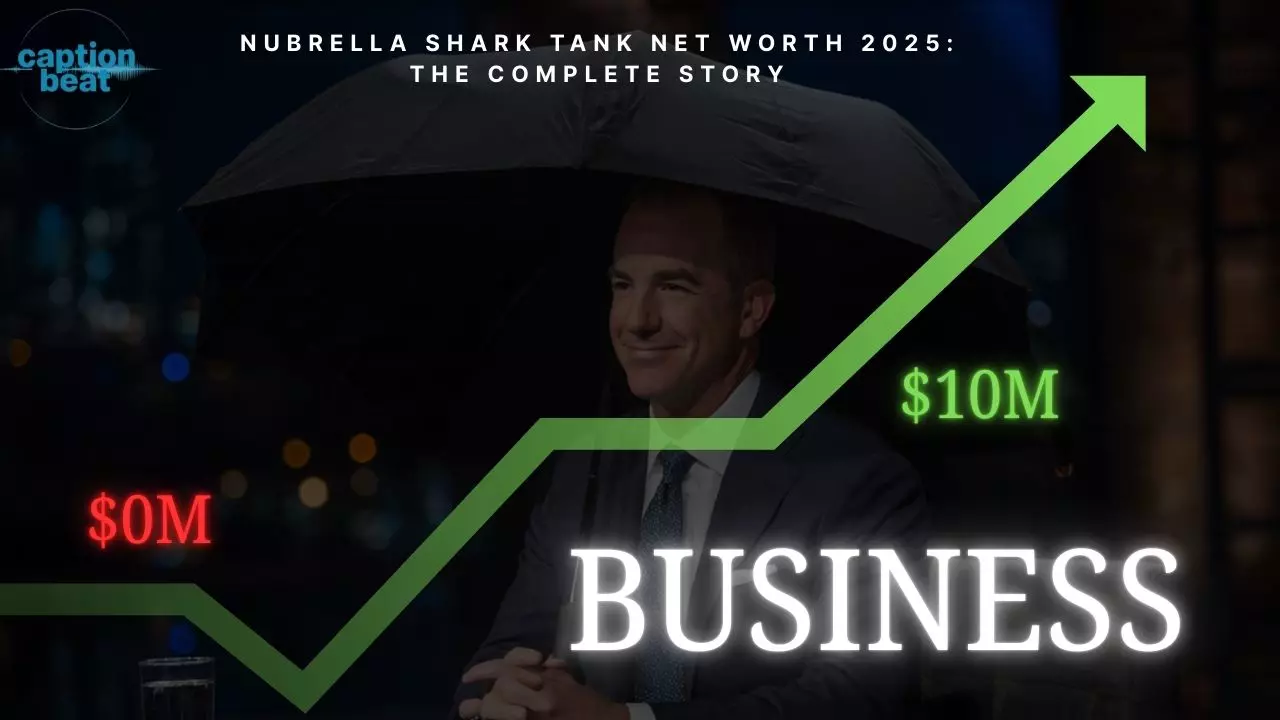
Nubrella appeared on Shark Tank Season 1 with a hands-free umbrella design. Alan Kaufman created something nobody had seen before. The transparent bubble wraps around your shoulders like protective armor. Fifteen years later, people still wonder about Nubrella Shark Tank net worth 2025.
What Is Nubrella?
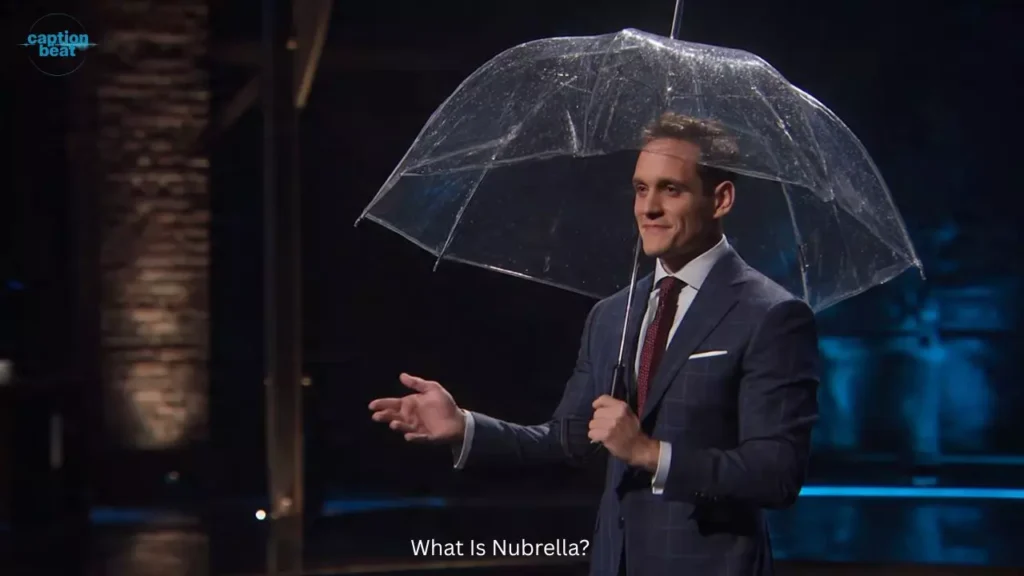
Nubrella breaks completely from traditional umbrella design. It wraps around your body like a transparent protective dome. The wearable canopy keeps both hands free during storms. Wind, rain, and even sunlight cannot penetrate this shield.
Traditional umbrellas haven’t changed much in thousands of years. They fail in wind conditions regularly. They occupy one hand constantly. Nubrella solved these problems with innovative thinking.
The Idea Behind Nubrella
Alan Kaufman noticed how traditional umbrellas fail constantly. He owned several Cingular Wireless stores in New York City. Customers entered his shops completely drenched every rainy day. They struggled juggling phones, bags, and broken umbrellas repeatedly.
Kaufman invested over $900,000 of his personal money. This massive financial commitment showed his belief. Few inventors risk everything for their vision. His dedication forms the foundation of brand value today.
How Nubrella Works
The transparent dome sits on shoulders using a harness. It folds back like a hood when not needed. The design locks securely during active use. Polycarbonate shell and flexible frame resist wind forces.
Full transparency allows clear visibility even in downpours. Users see everything around them without obstruction. The design prevents inversion issues common with regular umbrellas. Wind resistance makes it superior to folding designs.
Key features include hands-free operation through shoulder attachment. Wind-resistant polycarbonate shell doesn’t flip inside out. It provides 360-degree rain protection for head and shoulders. Transparent material maintains unobstructed vision in all conditions. Collapsible design enables easy storage when needed.
Nubrella’s Shark Tank Journey
Alan Kaufman walked confidently into the Shark Tank studio. The year was 2010, Season 1, Episode 14. He demonstrated his world’s first hands-free umbrella. The sharks watched with curiosity and amusement.
The Original Pitch and Investor Reactions
Kaufman requested $200,000 for 25% equity. This valuation placed his company at $800,000. He explained how Nubrella solves everyday rain problems. Traditional umbrellas fail in wind and occupy hands.
When he showed the actual product, sharks burst into laughter. Daymond John and Robert Herjavec immediately requested to try them. They put on Nubrellas and playfully bumped into each other. The mood was light and entertaining.
Kevin Harrington asked about sales numbers immediately. Kaufman revealed 3,000 units sold through word-of-mouth alone. Manufacturing improvements reduced price from $49.95 to $29.95. Production cost was only $14 per unit. This showed healthy profit margins.
Did Nubrella Secure a Deal?
Kevin O’Leary exited because Kaufman lacked proper distribution channels. Kevin Harrington made an aggressive offer: $200,000 for 65% equity. This represented a controlling stake request. Kaufman politely declined the high equity demand.
He countered with 35% equity instead. Daymond John jumped in, partnering with Kevin Harrington. Together they brought the equity requirement to 60%. Kaufman countered again, proposing 50% ownership instead.
The sharks remained firm on 51% for control. They wanted majority stake for key decision-making power. Daymond offered continued financial support if sales stayed strong. After careful consideration, Kaufman accepted their terms.
The Shark Tank Effect on Business
The deal collapsed after filming concluded completely. Kevin Harrington found the price point wrong for infomercials. Daymond John tried securing distribution but efforts failed. Both sharks ultimately exited, leaving Kaufman alone.
Despite losing the investment, media exposure proved invaluable. National television created instant brand recognition. Sales surged immediately after the episode aired. Thousands of units sold within just months.
Nubrella Net Worth in 2025
Multiple sources provide different valuation estimates. The truth lies in understanding various asset types. Current financial standing reflects a complex business history.
Current Estimated Valuation: $2M–$5M
Estimates place Nubrella’s net worth between $2 million and $5 million as of 2025. This range reflects uncertainty in valuation methodology. Different analysts emphasize different asset categories.
The more conservative estimate sits between $1 million and $2 million. This focuses on verified financial performance and assets. Credible sources place Nubrella Shark Tank’s net worth around $1 million to $2 million. This accounts for legacy sales and intellectual property.
Some industry analysts suggest higher figures. They propose the company could be worth between $5 million and $20 million based on intellectual property and long-term licensing potential. These optimistic projections consider future possibilities.
Revenue Breakdown and Profit Margins
Annual revenue reached approximately $1.2 million at peak performance. This represented solid achievement for niche products. The company never became a household name. But revenue demonstrated real market demand.
Patent licensing income generated steady returns. Patent licensing income generates roughly $500,000 annually. Other manufacturers paid for design rights. This passive income stream preserved value.
Customer acquisition costs remained reasonable. Customer acquisition cost was $15 per customer. Lifetime value reached $120 per customer. This showed strong unit economics.
Comparison with 2018 and 2019 Net Worth
The company’s valuation peaked around 2015. Peak valuation was estimated at $5-5.5 million. This reflected $1 million annual revenue and strong margins. Patent value drove significant valuation.
By 2018-2019, momentum had slowed considerably. Production costs remained stubbornly high. Consumer adoption proved more challenging than anticipated. Retail partnerships faded as sales declined.
Post-2022 closure reduced net worth to $1-3 million. Active operations ceased completely. But patents and brand recognition maintained value. The estate likely holds remaining assets.
Inside the Business Model

Nubrella evolved through multiple business model iterations. Initial focus was direct product sales. Later strategy emphasized licensing and intellectual property.
Direct-to-Consumer Sales and Online Platforms
E-commerce platforms drove initial growth substantially. Amazon listings attracted curious buyers consistently. The official website provided direct purchase options. Online sales avoided expensive retail distribution.
Social media marketing generated organic interest. Viral videos showcased the unique design. Customer testimonials built credibility. Word-of-mouth recommendations drove purchases.
The product pricing strategy evolved over time. Initial retail price was $49.95 originally. Manufacturing improvements enabled price reduction to $29.95. Later versions sold for $79-$99 per unit.
B2B Partnerships and Licensing Deals
Patent licensing became increasingly important revenue source. Other manufacturers wanted hands-free technology access. Licensing agreements provided royalty payments. These deals generated $100,000-$200,000 annually.
Retail partnerships never achieved massive scale. Limited distribution channels hindered growth. Major retailers showed hesitant interest. The unusual product design concerned buyers.
Strategic collaborations were explored but limited. Larger outdoor companies considered partnerships. Co-branding opportunities were discussed. But most never materialized fully.
Target Customer Segments: Cyclists, Couriers, and Commuters
Cyclists discovered immediate practical benefits. They needed hands free for steering. Traditional umbrellas were impossible while riding. Nubrella solved this problem perfectly.
Delivery workers represented ideal customers. They carried packages constantly. Rain protection without occupying hands proved essential. Courier services showed strong interest.
Rebranding as The Canope
Kaufman rebranded the company in 2020. The new name was Canope. This reflected strategic repositioning efforts. Marketing emphasized futuristic design appeal.
As of July 2021, annual sales reached $1 million. The rebrand appeared to show results. Sales through website and Amazon continued. The business showed signs of recovery.
However, timing proved unfortunate. Kaufman’s health was declining. He passed away in November 2022. Operations ceased immediately without succession planning.
Evolution and Market Impact
The Nubrella journey spans over two decades. From initial concept to final closure. Each phase taught valuable lessons.
From Retail to Rain Gear Innovation
Kaufman’s retail background informed his approach. Managing Cingular Wireless stores provided customer insights. He observed daily problems firsthand. This practical experience drove innovation.
The spark came from watching frustrated customers. They entered stores soaked despite umbrellas. Traditional designs failed in New York weather. Wind rendered normal umbrellas useless.
Investment totaled over $900,000 personally. This represented enormous financial risk. Kaufman believed deeply in his vision. Few inventors commit so completely.
Version 1 Launch and Media Response
Initial distribution began in United States. Sales quickly expanded internationally. 13,000 units were sold across 86 countries. Real interest came from practical users.
Public reaction split dramatically. Some called it genius innovation. Others mocked the bubble appearance. Media coverage amplified both perspectives.
Cyclists praised the hands-free functionality. Delivery workers appreciated practical benefits. Outdoor professionals valued wind resistance. These niche markets embraced the concept.
Major television shows featured Nubrella. Ellen DeGeneres discussed it humorously. Good Morning America demonstrated the product. National newspapers wrote detailed articles. Brand awareness reached unprecedented levels.
Nubrella’s Market Impact Over Time
The hands-free umbrella never dominated retail shelves. Mass market success proved elusive. However, cultural impact extended far beyond sales.
The brand symbolizes creative entrepreneurship. It demonstrated one person can reimagine everyday objects. Success isn’t measured only in quarterly reports. Legacy and influence matter equally.
Current weather protection market shows Nubrella’s influence. The market was $2.5 billion in 2023. Projected growth reaches $3.35 billion by 2028. Hands-free concepts drive innovation trends.
Challenges and Adaptation

Every innovation faces obstacles. Nubrella encountered significant hurdles. How the company adapted tells important lessons.
Design and Usability Concerns
Critics raised legitimate practical concerns. One pointed out “Think of trying to climb into a taxi while wearing this”. Urban environments presented unexpected challenges. The design worked better in open spaces.
Storage became a significant issue. Regular umbrellas fold compactly. Nubrella required more space. This deterred convenience-focused consumers.
Weight distribution needed refinement. Early versions felt unbalanced. Later iterations improved comfort significantly. Engineering challenges required continuous improvement.
Retail Distribution Struggles
High shipping costs up to $65 per unit internationally stymied retail growth. Logistics presented major obstacles. Distribution expenses ate profit margins.
Major retail chains showed hesitant interest. Buyers questioned mainstream appeal. Shelf space allocation proved difficult. Traditional retailers preferred familiar products.
Kaufman couldn’t scale distribution effectively. Without Shark Tank investment, resources were limited. Building retail networks requires substantial capital. The company lacked necessary funding.
Online sales became primary focus eventually. E-commerce avoided retail distribution challenges. Amazon provided established platform. Direct website sales maintained margins.
How the Company Adapted Post-Criticism
Kaufman demonstrated remarkable resilience. He listened to customer feedback carefully. Design improvements addressed legitimate concerns. Product quality increased with each version.
Patent protection became strategic priority. The company kept its patent portfolio active and protected legally. Intellectual property preserved long-term value. This strategy proved wise.
Business model shifted toward licensing. Patent licensing became the new business model moving forward. Other manufacturers could license the design. This generated passive revenue.
This pivot preserved value without requiring active production facilities. Strategic decisions protected brand assets. Minimal overhead reduced financial pressure.
Is Nubrella Still in Business Today?
As of 2025, Nubrella (later Canope) is no longer in operation. Active business operations ceased completely. The company ceased activities following Kaufman’s death in November 2022.
With the founder’s passing, ownership likely resides with his estate. No public information indicates new investors. Patent-holding company may retain rights. Succession planning was apparently absent.
You may find Nubrella or Canope on Amazon and resellers. Limited availability exists through third parties. These represent remaining inventory. Active manufacturing has ceased.
Alan Kaufman: The Founder
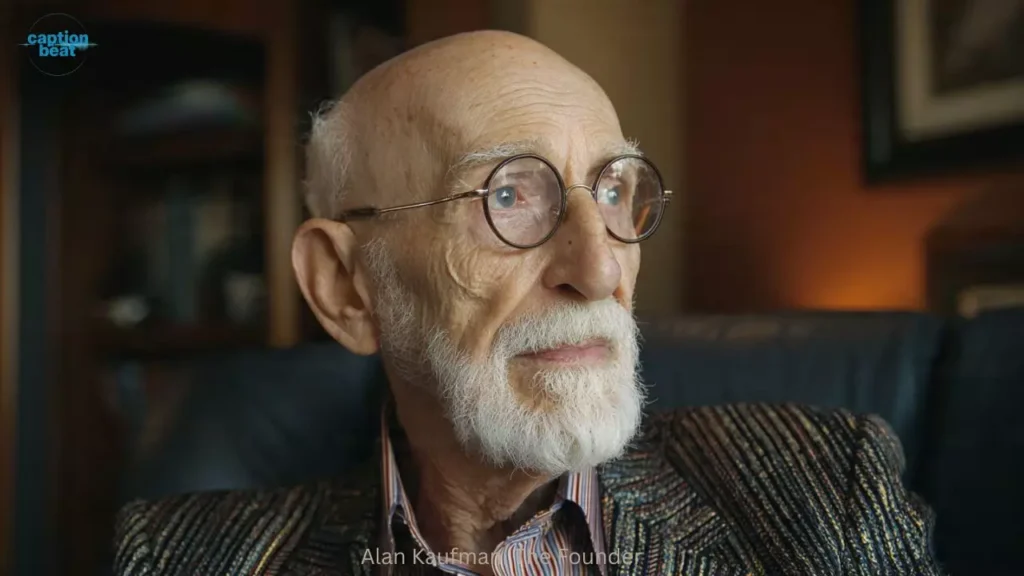
Understanding Nubrella requires knowing its creator. Alan Kaufman was more than an inventor. His background shaped the product’s development.
Early Life and Career Background
Kaufman preferred keeping personal life private. His product gained worldwide fame, but he stayed quiet. Media attention focused on Nubrella itself. He avoided celebrity entrepreneur culture.
He owned several Cingular Wireless stores in New York City. Retail management taught customer problem-solving. Daily interactions revealed unmet needs. This background proved invaluable.
Unlike modern founders, he didn’t market his personal brand. His quiet approach differed from today’s norms. The focus remained on product innovation. Personal publicity never interested him.
Investment in Nubrella
Kaufman invested over $900,000 personally initially. This massive financial gamble showed belief. He risked personal savings completely. Few inventors commit so deeply.
Development costs exceeded initial expectations. Prototypes required extensive testing. Manufacturing setup demanded significant capital. Legal fees for patents added expenses.
He invested $400,000 initially, with an additional $500,000 of his own funds. Total personal investment approached $900,000. This represented his life savings. The commitment demonstrated unwavering conviction.
Current Status
Alan Kaufman sadly passed away in November 2022. His death came unexpectedly. His sudden death marked the journey’s end of Nubrella. Operations ceased almost immediately.
Kaufman was not only a big loss but actually the driving power behind this brand. No succession planning existed. The business depended entirely on him. His passing ended active operations.
Kaufman’s legacy extends beyond product sales. He inspired countless inventors. His courage to think differently created lasting industry influence. The entrepreneurial journey teaches valuable lessons.
FAQs
What is Nubrella’s estimated net worth in 2025?
Nubrella’s net worth sits between $2 million and $5 million as of 2025. More conservative estimates place it at $1-2 million. The valuation primarily reflects intellectual property and patent value rather than active sales.
Did Nubrella secure a deal on Shark Tank?
Alan Kaufman made a deal with Daymond John and Kevin Harrington for $200,000 for 51% equity. However, the deal fell through after filming. The investment never materialized despite the on-air agreement.
How much did Alan Kaufman invest in Nubrella?
Kaufman invested over $900,000 of his personal money into developing Nubrella. This covered prototypes, testing, patents, and initial marketing. The massive investment demonstrated his unwavering belief in the concept.
Is Nubrella still selling products today?
No, Nubrella ceased operations after founder Alan Kaufman’s death in 2022. Some inventory may appear on Amazon and resellers, but active manufacturing has ceased. The business permanently shut down.
What are the main customer segments for Nubrella?
Primary customers included cyclists who needed hands-free operation, delivery workers and couriers carrying packages, outdoor professionals like photographers, and urban commuters juggling multiple items. These niche markets appreciated the practical functionality.
What made Nubrella different from regular umbrellas?
Nubrella provided completely hands-free operation through a shoulder harness system. The polycarbonate shell resisted wind better than traditional umbrellas. It offered 360-degree rain protection and maintained clear visibility through transparent material. The design prevented common umbrella inversion problems.
Conclusion
Nubrella Shark Tank net worth 2025 stands between $1 million and $5 million. Different valuation methodologies produce varying estimates. The conservative range focuses on verified assets.
Alan Kaufman created something unprecedented. He challenged 3,000 years of umbrella history. The hands-free design solved real problems. Innovation requires questioning conventional wisdom.
Mass market success ultimately eluded the product. Fashion concerns outweighed functional benefits. Distribution challenges hindered growth. High costs prevented mainstream adoption.

John Alia is a skilled content writer with over 3 years of experience, specializing in creating engaging, SEO,optimized, and reader friendly content across various niches.